
How to Get Started
How to Get Started guides on World Career Path.

How to Get Your Notary Public Commission
A notary public commission is a state appointment, not a national licence. You apply through your state's commissioning office — usually the Secretary of State — meet basic eligibility rules, and in some states complete a training course, sit an exam, pass a background check and file a surety bond before you are appointed.
Wyatt Holloway · 8 min read
How to Get Your Commercial Drone Pilot License
A commercial drone licence in the United States means the FAA Remote Pilot Certificate with a small UAS rating, issued under the Federal Aviation Administration's Small UAS Rule (Part 107). You need it before you fly a drone commercially (Federal Aviation Administration, 2026-06-09), and the path runs through one aeronautical knowledge exam at an FAA-approved Knowledge Testing Center, an online application in IACRA, and a TSA security background check.
Marisol Tanaka-Reyes · 8 min read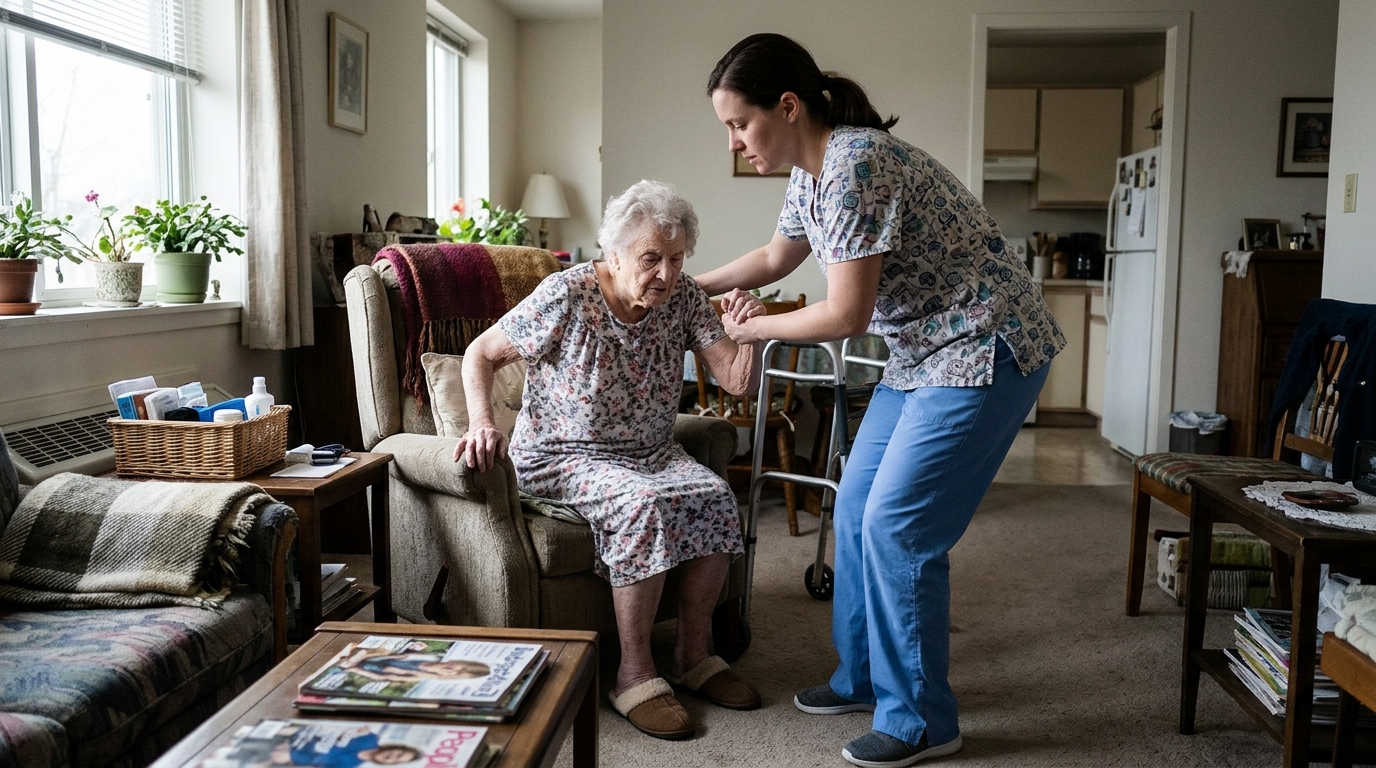
How to Become a Home Health Aide With No Experience
You can start as a home health aide without prior caregiving work. The U.S. Bureau of Labor Statistics (2025) lists no work experience in a related occupation as an entry requirement, says education requirements vary by employer with some positions requiring no formal credential, and describes training as short-term and often completed on the job.
Priya Chandrasekaran · 9 min read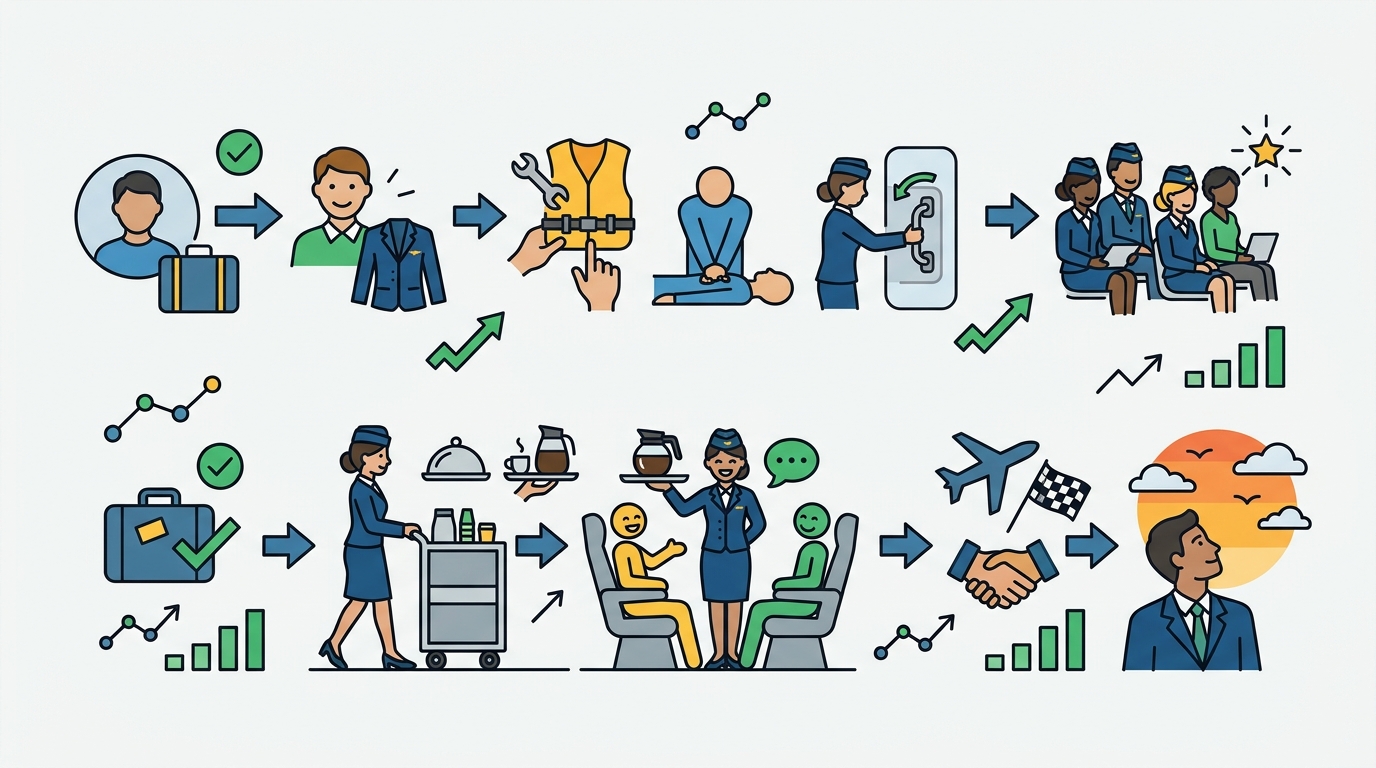
How to Become a Flight Attendant Without a Degree
You do not need a college degree to work as cabin crew. In the United States, flight attendants typically need a high school diploma or the equivalent plus work experience in customer service, and the specialized training and federal certification come from the airline after you are hired (U.S. Bureau of Labor Statistics, 2025).
Desmond Okafor · 9 min read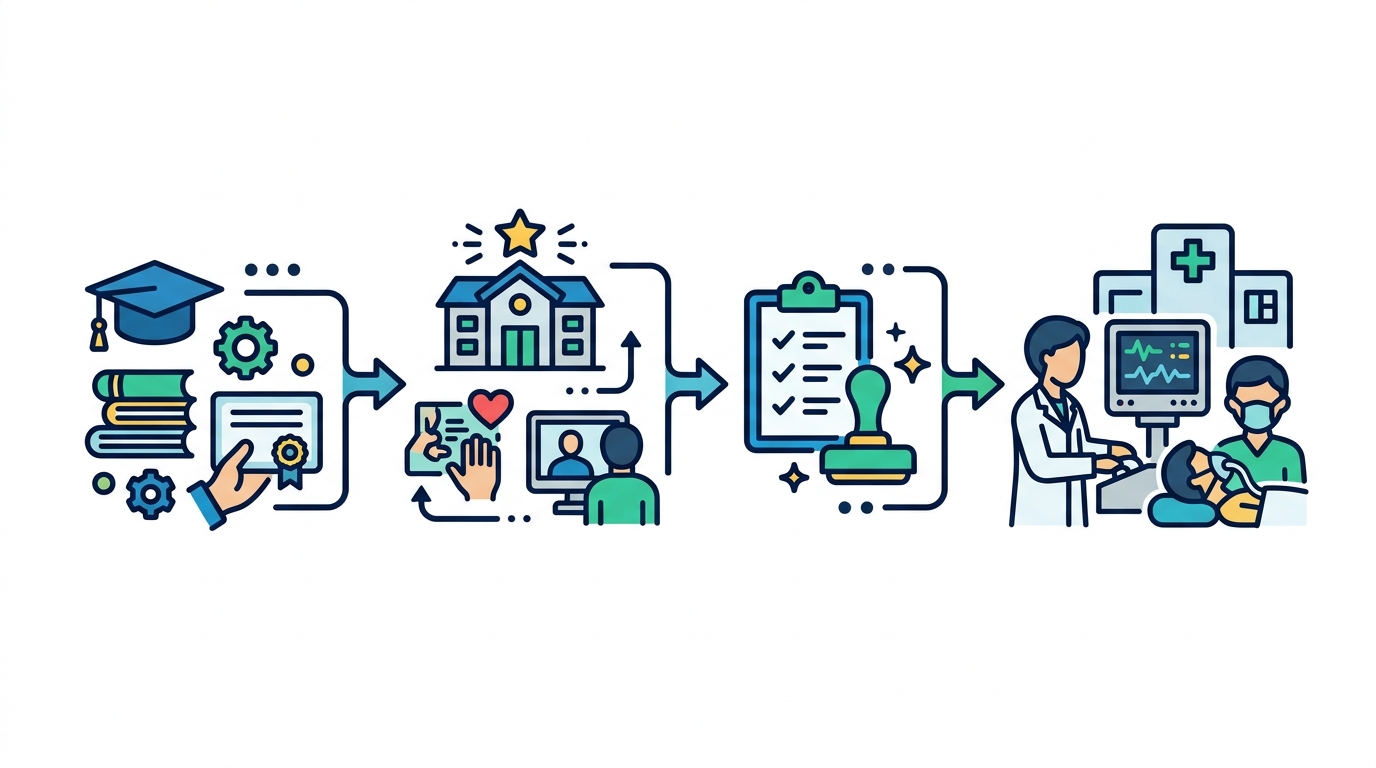
How to Become a Respiratory Therapist
Becoming a respiratory therapist means completing an accredited respiratory therapy degree, passing a national credentialing exam, then applying for a license from the regulator where you want to practice. In the United States that is at least an associate's degree in respiratory therapy from an accredited program (U.S. Bureau of Labor Statistics, 2025), a CRT or RRT credential from the National Board for Respiratory Care, and a state license — required everywhere except Alaska (U.S. Bureau of Labor Statistics, 2025).
Noor Abdallah · 10 min read