
Job Descriptions
Job Descriptions guides on World Career Path.
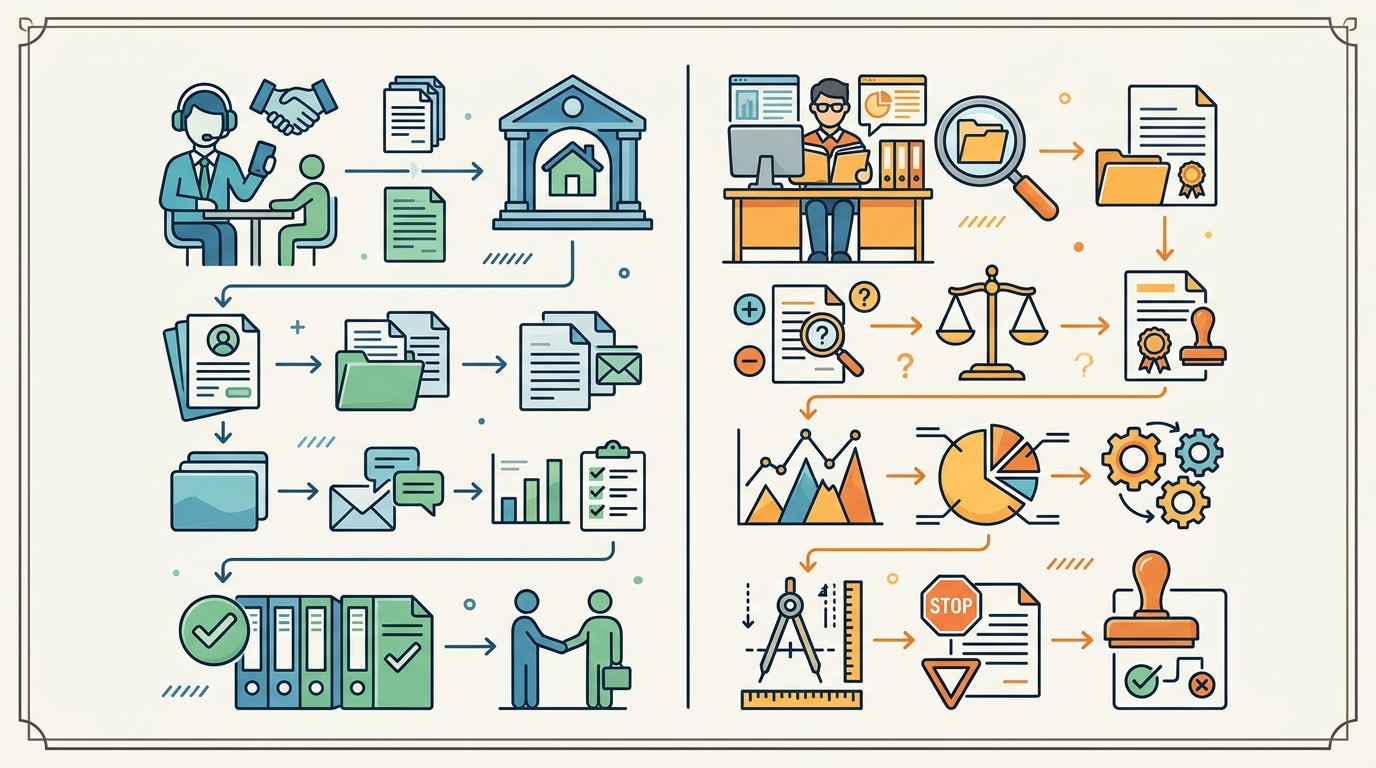
Loan Officer vs. Underwriter: Key Differences Explained
A loan officer works with applicants to put a credit application together and assesses their financial information to decide whether a loan can be approved (U.S. Bureau of Labor Statistics, 2025). An insurance underwriter reviews individual applications to evaluate the degree of risk involved and determine acceptance, then sets coverage amounts and premiums on the ones approved (O\NET OnLine, U.S. Department of Labor, undated; U.S. Bureau of Labor Statistics, 2025).
Wyatt Holloway · 7 min read
Breaking Into Human Resources: A Step-by-Step Guide
Human resources specialists recruit, screen and interview job applicants, place new hires into roles, and often handle compensation and benefits, training and employee relations (U.S. Bureau of Labor Statistics, 2026-10-29). The usual route in is a bachelor's degree in human resources, business, communications or a related field, plus experience in a support role such as human resources assistant or customer service representative before you move into a specialist job.
Marisol Tanaka-Reyes · 9 min read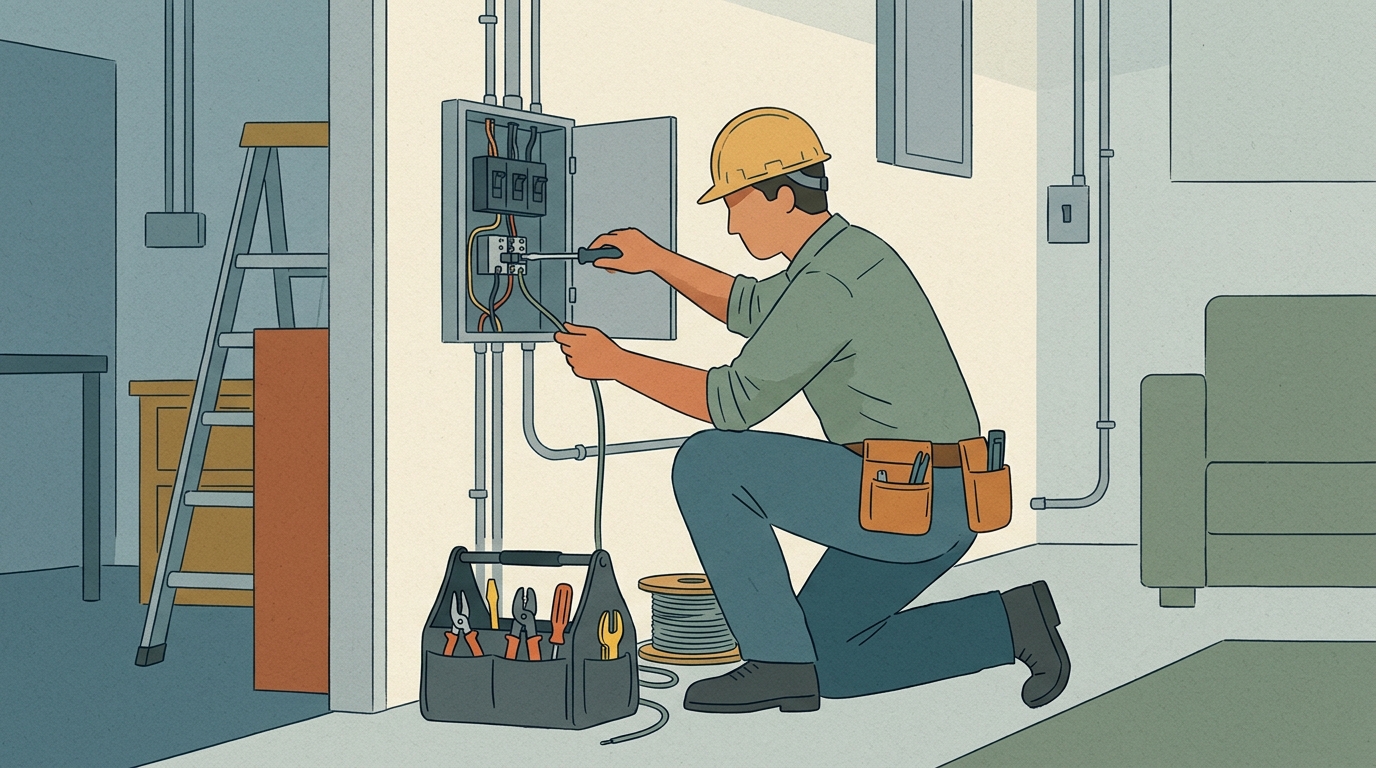
What Does an Electrician Do? A Day in the Life
An electrician installs, maintains and repairs electrical power, communications, lighting and control systems in homes, businesses and factories (U.S. Bureau of Labor Statistics, 2025). The day mixes physical installation work, fault-finding with test instruments, and paperwork proving the job meets the electrical code.
Noor Abdallah · 9 min read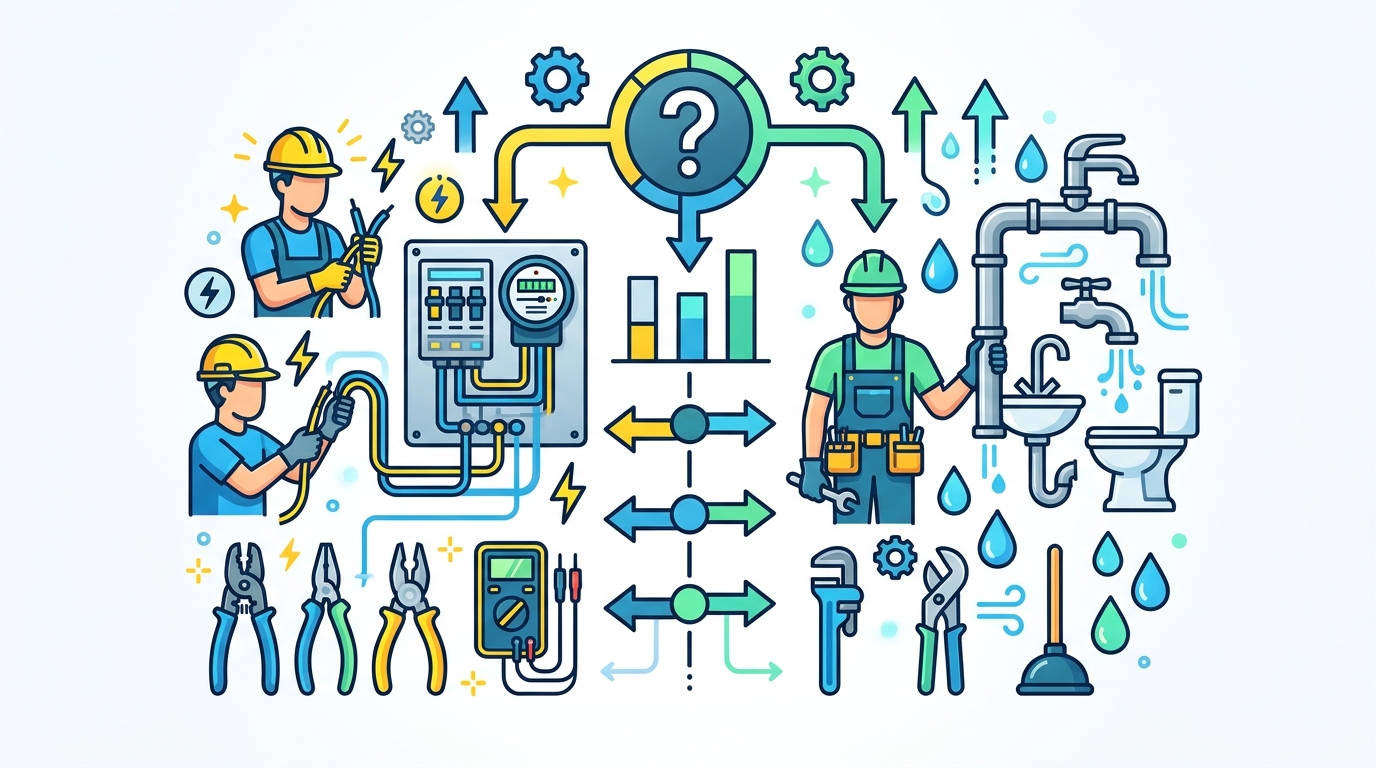
Electrician vs. Plumber: Which Career Fits You?
Electricians and plumbers are both skilled trades you can enter without a four-year degree, learning through a paid apprenticeship rather than classroom study alone. The U.S. Bureau of Labor Statistics (2025) describes electricians as installing, maintaining and repairing electrical power, communications, lighting and control systems; plumbing work centres instead on water supply, drainage, waste and gas or heating pipework.
Priya Chandrasekaran · 8 min read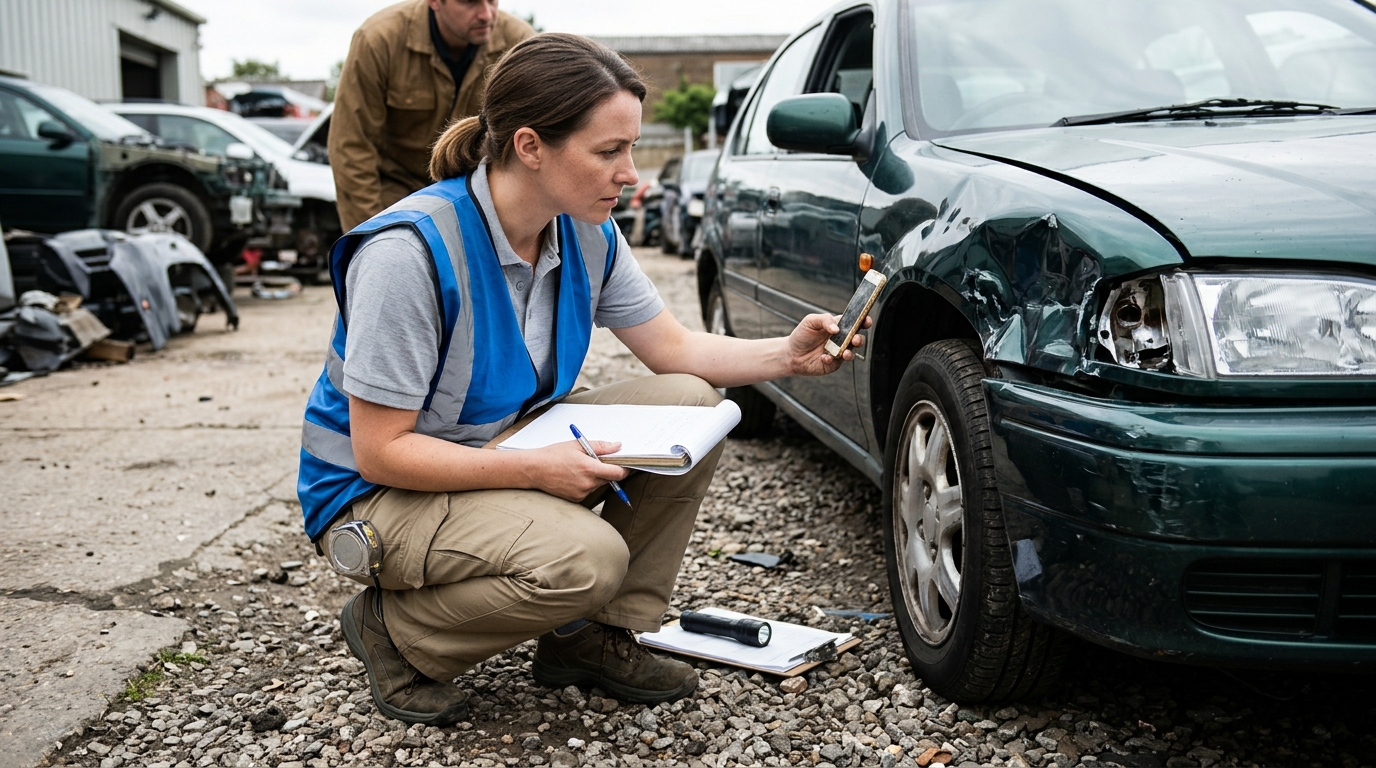
How to Become a Claims Adjuster
Claims adjusters, appraisers, examiners and investigators evaluate insurance claims to decide what an insurer owes (U.S. Bureau of Labor Statistics, 2025). In the United States, the usual entry route is a high school diploma or equivalent plus a state adjuster license where one is required, followed by supervised work on small claims; some employers want a bachelor's degree or prior insurance experience instead (U.S. Bureau of Labor Statistics, 2025).
Desmond Okafor · 10 min read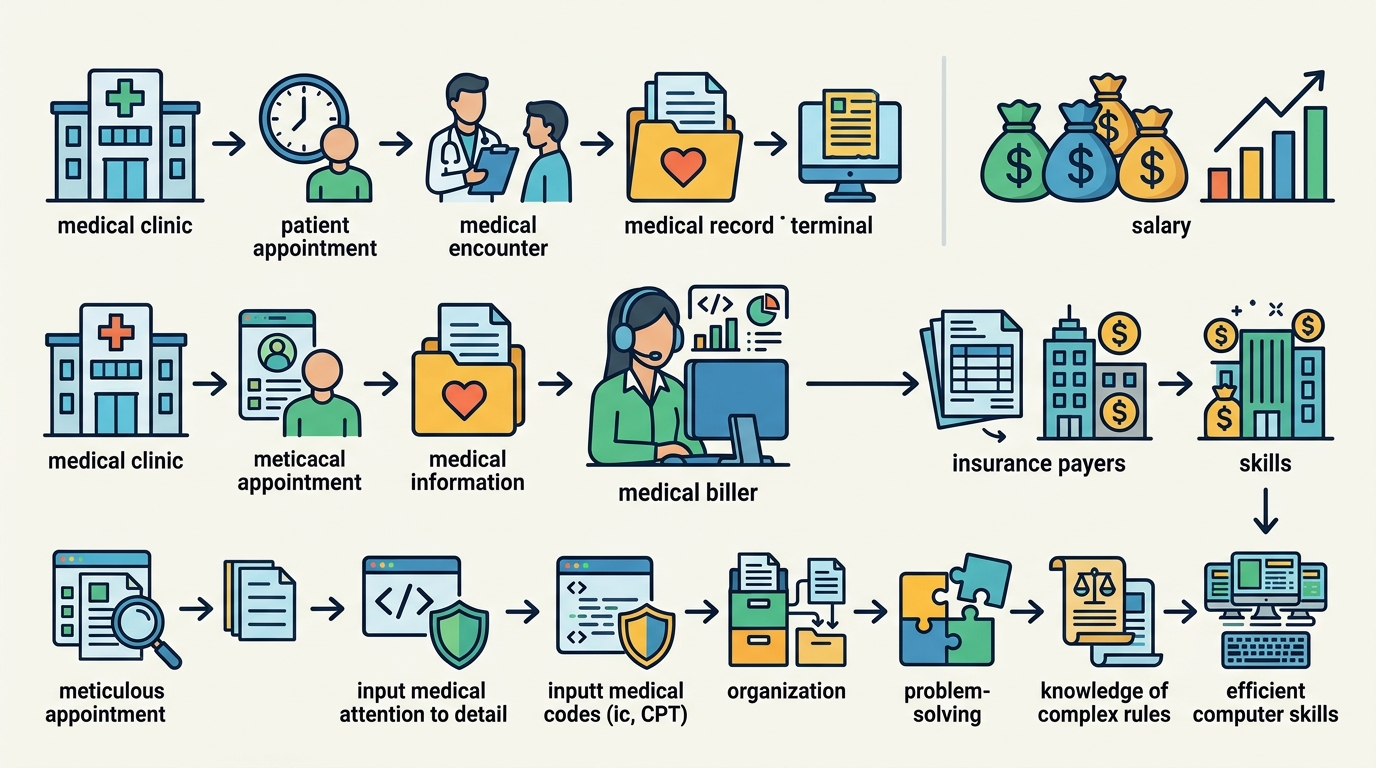
Medical Biller Job Description: Duties, Skills, and Salary
A medical biller turns the services a clinician provided into a coded claim, sends it to the patient's insurer or health fund, and follows the money until the account is settled. The work is screen-based: practice management software, payer portals, denial queues and patient statements, with bursts of phone and email contact.
Wyatt Holloway · 8 min read
What Does a Social Worker Do? A Day in the Life
A social worker helps individuals, families and groups prevent and cope with problems in everyday life, while clinical social workers also diagnose and treat mental, behavioural and emotional problems (U.S. Bureau of Labor Statistics, 2025). Day to day that means assessing needs, referring people to community resources, responding to crises, monitoring progress and keeping case files up to date (U.S. Bureau of Labor Statistics, 2025).
Priya Chandrasekaran · 8 min read
What Does a Loan Officer Do? A Day in the Life
A loan officer helps people and businesses borrow money: gathering application information, checking an applicant's financial position, and either approving the loan within their authority or passing it to management. Most work for commercial banks, credit unions, mortgage companies and other financial institutions, and most work full time, with some putting in more than 40 hours a week (U.S. Bureau of Labor Statistics, 2025).
Desmond Okafor · 8 min read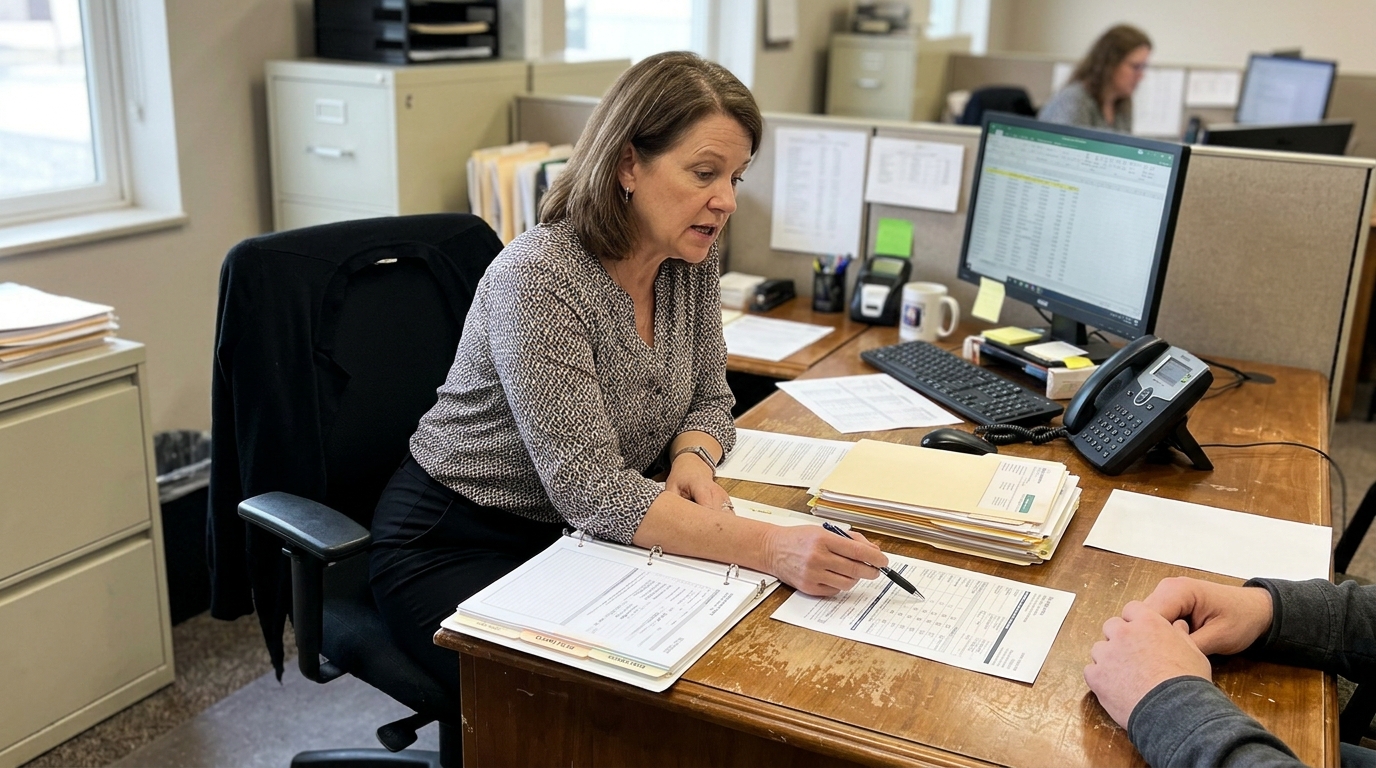
Loan Officer Career Path: Education, Certifications, and Experience
A loan officer evaluates, authorises, or recommends approval of loan applications and advises borrowers on their financial position and repayment options (U.S. Bureau of Labor Statistics, 2026-08-27). In the United States, the usual route is a bachelor's degree plus on-the-job training, and anyone originating mortgages must hold a Mortgage Loan Originator licence (U.S. Bureau of Labor Statistics, 2026-08-27).
Noor Abdallah · 8 min read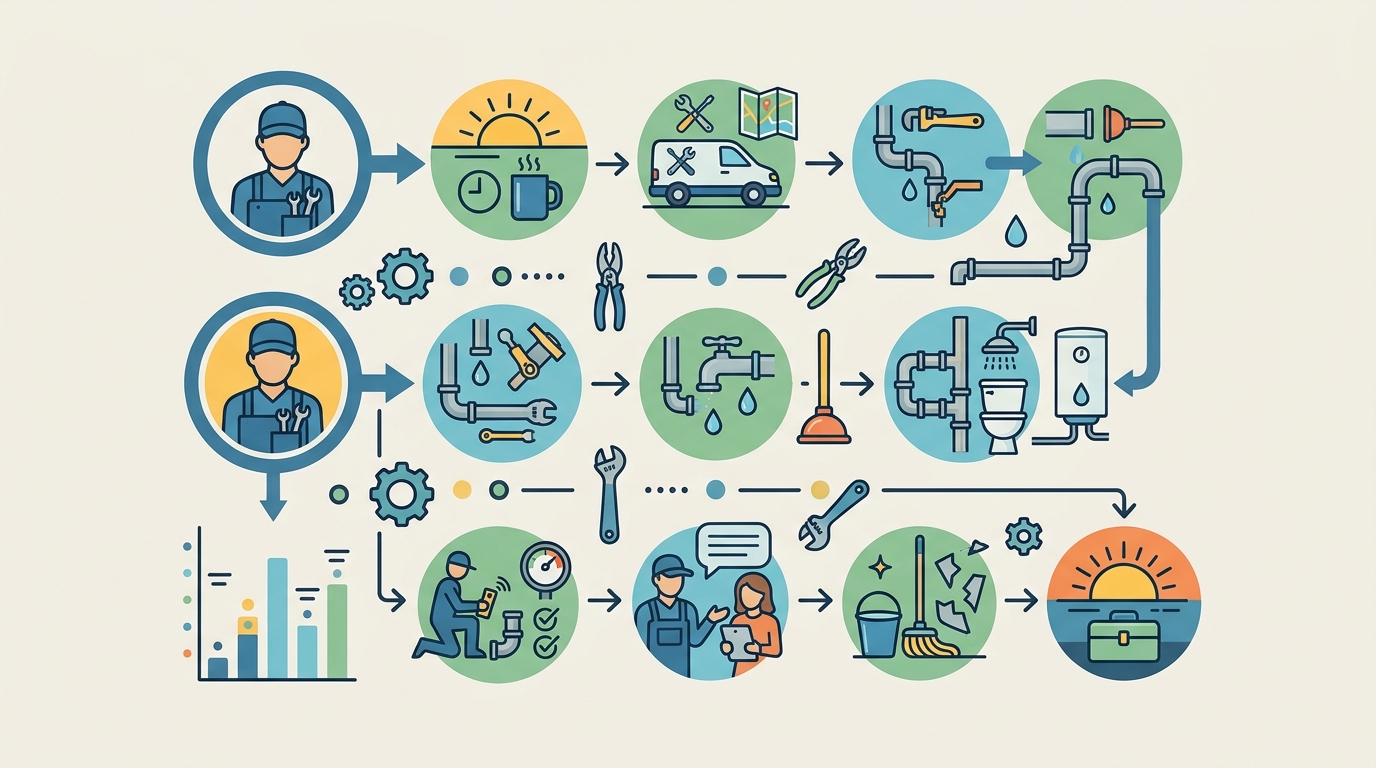
What Does a Plumber Do? A Day in the Life
A plumber installs, tests, repairs and maintains the pipes, fixtures and appliances that move water, waste, gas and steam through buildings. The work spans homes, businesses, factories and construction sites, and mixes planned installation jobs with emergency breakdowns that can land in the evening or at a weekend (U.S. Bureau of Labor Statistics, 2025).
Marisol Tanaka-Reyes · 8 min read